



Statue of Warrior in Helmet
The statue of a warrior wearing a helmet is a semi-naked statue of an ancient Greek warrior with a tunic and a large feathered helmet decorated with a carved motif. There is a hole in the right hand: the original statue should hold up a spear (there is a hole). The period in which the artifact was made was Europe (period)-Iron Age-Europe (period)-Ancient Greece, with dimensions of 20.5cm in height and 5.5cm in width. The collection site is the National Archaeological Museum of France.

Carved Bronze Oval Ware
The engraved bronze oval vessel is a sphere-shaped vessel decorated with geometric patterns. The production period is the European (period) Bronze Age, made of bronze material, size height: 13.7 meters, diameter: 7.5cm, is now collected in the French National Archaeological Museum.
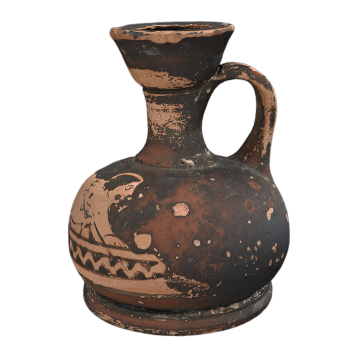
Ancient Greek spherical wine bottle
The ancient Greek spherical wine bottle was a small clay bottle with a main face resembling a baby. The period is the 4th century BC, the classical period of ancient Greece. The production site is in Attica, ancient Greece, and the discovery site is in Laurion (mine). The height is 6.8 centimeters, the width of the bottle body is 5.5 centimeters, the caliber is 3 centimeters, and the bottom diameter is 4.9 centimeters. It is now collected in the National Museum of Archaeology in France.

Carved bronze axe blade
This cultural relic is an axe blade, with a curved blade section and a quadruped animal engraved on each side of the blade surface. The artifact dates back to the early Iron Age in 1000 BC and was discovered in Koban Cemetery, North Ossetia. It is made of copper alloy and measures 17.5 centimeters in height and 5.5 centimeters in width. It is currently housed in the National Museum of Archaeology in France.

Onion ball diameter clay cup
The "Onion Ball Diameter Pottery Cup" is a glass made of clay, shaped like the bulb of an onion and decorated with slight grooves. The production period was in the 9th century BC, during the late period of European bronze ware. The discovery was made in Brison Saint Innocent, Gr é sine station, and Lac du Bourget in the Savoy department of France. The dimensions are height: 21 centimeters, width: 13.7 centimeters, depth: 4.5 centimeters. It is currently housed in the National Museum of Archaeology in France.
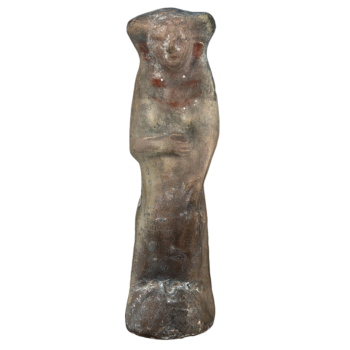
Madonna Statue
The statue of the Virgin Mary is a female statue from the Ceccaldi collection. The statue can be traced back to the Iron Age in the 6th century BC. This statue was discovered in Cyprus and is now housed in the National Museum of Archaeology in France. The size of this statue is 18.3 centimeters high and 5.3 centimeters in diameter.

Alexander the Great's Drachma Silver Coin
The Great Emperor of Lishan's silver tetradrachma coin was made between 325 BC and 320 BC. Coins were minted in Side (now Türkiye). The obverse of this coin features the portrait of a young Hercules wearing a lion skin helmet. Hercules is a hero in Greek mythology known for his strength and courage. On this coin, he is depicted as a young man wearing lion skin, which is his emblem. This Delacroix silver coin is collected by the French National Archaeological Museum.

Saint Germain kettle
This kettle comes from Saint Germain en Laye and can be traced back to the early Middle Ages, which is the high school century. This kettle is now housed in the National Archaeological Museum of France. The collection of this museum includes various technological and artistic works since the emergence of humans in France. The size of this' kettle 'is 8.7 centimeters high and 15.6 centimeters wide.

Saint Germain single ear wine jug
The Saint Germain single eared wine jug was discovered in the archaeological site of Saint Germain en Laye, and this cup can be traced back to the 6th century AD. The name 'Saint Germain' comes from the Catholic saint Paris, who was born in Outan and served as the Bishop of Paris from 555 to 576, during which time he built the Abbey of Saint Germain de Prey. The Saint Germain Cup is currently housed in the National Museum of Archaeology in France.

Saint Germain high footed round cup
The Saint Germain double eared cup was discovered in the archaeological site of Saint Germain en Laye and can be traced back to the 6th century AD. The name 'Saint Germain' comes from the Catholic saint Paris, who was born in Outan and served as the Bishop of Paris from 555 to 576, during which time he built the Abbey of Saint Germain de Prey. The Saint Germain Cup is currently housed in the National Museum of Archaeology in France.

Saint Germain Double Ear Cup
The Saint Germain double eared cup was discovered in the archaeological site of Saint Germain en Laye and can be traced back to the 6th century AD. The name 'Saint Germain' comes from the Catholic saint Paris, who was born in Outan and served as the Bishop of Paris from 555 to 576, during which time he built the Abbey of Saint Germain de Prey. The Saint Germain Cup is currently housed in the National Museum of Archaeology in France.

Queen Angongde's belt
The Belt of Queen Arnonde "is a precious artifact discovered in 1959 at Saint Denis Cathedral. It is a belt made of goat skin with rich decorations. The belt was found in Tomb 49, which belonged to Queen Arnonde of Francia. Aregade was the third wife of Clovis I and passed away between 580 and 590 AD at the age of 70 to 80. The items found in her tomb include a brown red silk robe decorated with gold embroidery, a pair of round slender pins inlaid with garnet, and a pair of shoes made of leather.

Carved bronze bracelet
This carved bronze bracelet comes from the R é allon region of the High Alps department in France. Archaeological relics were discovered there. This bracelet can be traced back to the post Bronze Age from the 10th century BC to the 9th century BC. This bracelet is now housed in the National Museum of Archaeology in France.

A horse catapult carved in 15000 BC
This artwork is a three-dimensional sculpture carved on reindeer bones, depicting a jumping horse. This work is believed to date back to around 15000 BC and is a representative work of the Palaiologist period and the Magdalen culture. This sculpture is considered to be a Baroque mobile art piece. This work was discovered at the Brunikel site and is currently located at the National Museum of Archaeology in France.

Popular Models

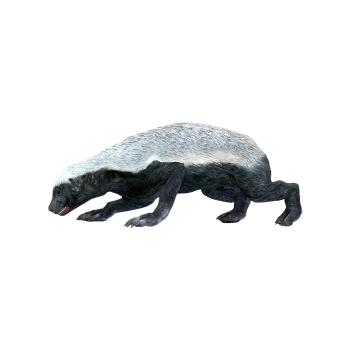
Honey Badger (3D animated model)
194 View
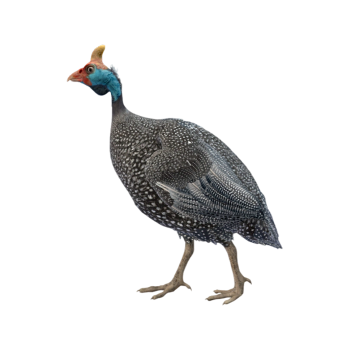
Guinea fowl (3D animated model)
165 View
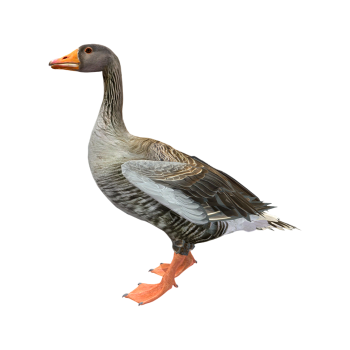
Wild Goose (3D animated model)
187 View
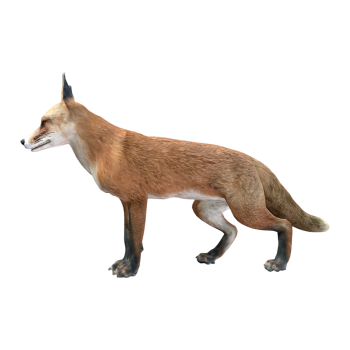
Red Fox (3D animated model)
155 View
Random Model


1969 Dodge Challenger-General Lee
614 View
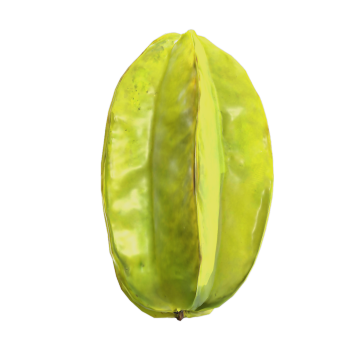
Yang Tao
927 View

Russian BM-30 Tornado Rocket Launcher
1288 View

North American Red Oak saplings
866 View

Chestnut 3D model
1016 View

Single sofa
662 View


Riverbed gravel
877 View
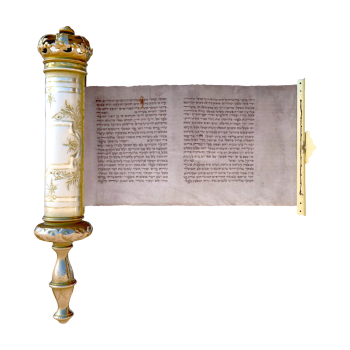
Esther's Scroll and Its Envelope
921 View